





Dietary Supplements and Drug Interactions

1. Positive Effects of Dietary Supplements
Dietary supplements support overall health when specific nutrient deficiencies occur:
Vitamin D: Recommended to support bone density and immune function in deficient individuals.
Folic Acid: Crucial during pregnancy for maternal and fetal health.
2. Drug Interactions and Precautions
Certain supplements can interact with medications, altering their efficacy or safety profile:
Blood Thinners and Omega-3: High-dose omega-3 fatty acids taken alongside anticoagulants can elevate bleeding risks.
Cancer Therapy and Antioxidants: Certain high-dose antioxidants may reduce the efficacy of chemotherapy or radiation treatments.
3. Consult Your Physician
Always consult a healthcare professional before starting any supplement regimen. If you take prescription drugs or have chronic conditions, avoid unguided supplement use.
4. Balanced Nutrition Comes First
Supplements should never replace a wholesome diet. The safest way to obtain essential nutrients is through balanced, whole foods. Targeted deficiencies should be addressed under medical supervision.
Conclusion
Dietary supplements are valuable tools when used correctly. Given individual health profiles and interaction risks, always proceed under the guidance of your physician.

What Are Vitamin Supplements? How Should They Be Used?
Vitamin supplements are concentrated micronutrients formulated to maintain essential physiological functions when daily dietary intake is insufficient. For safe and effective usage, individuals must determine deficiencies through blood tests and adhere to proper timing, dosage, and absorption rules.
Read more
What is a Food Supplement?
Food supplements contain vitamins, minerals, amino acids, and herbal extracts; these non-medicinal products support bodily functions and help address nutritional deficiencies when used correctly.
Read more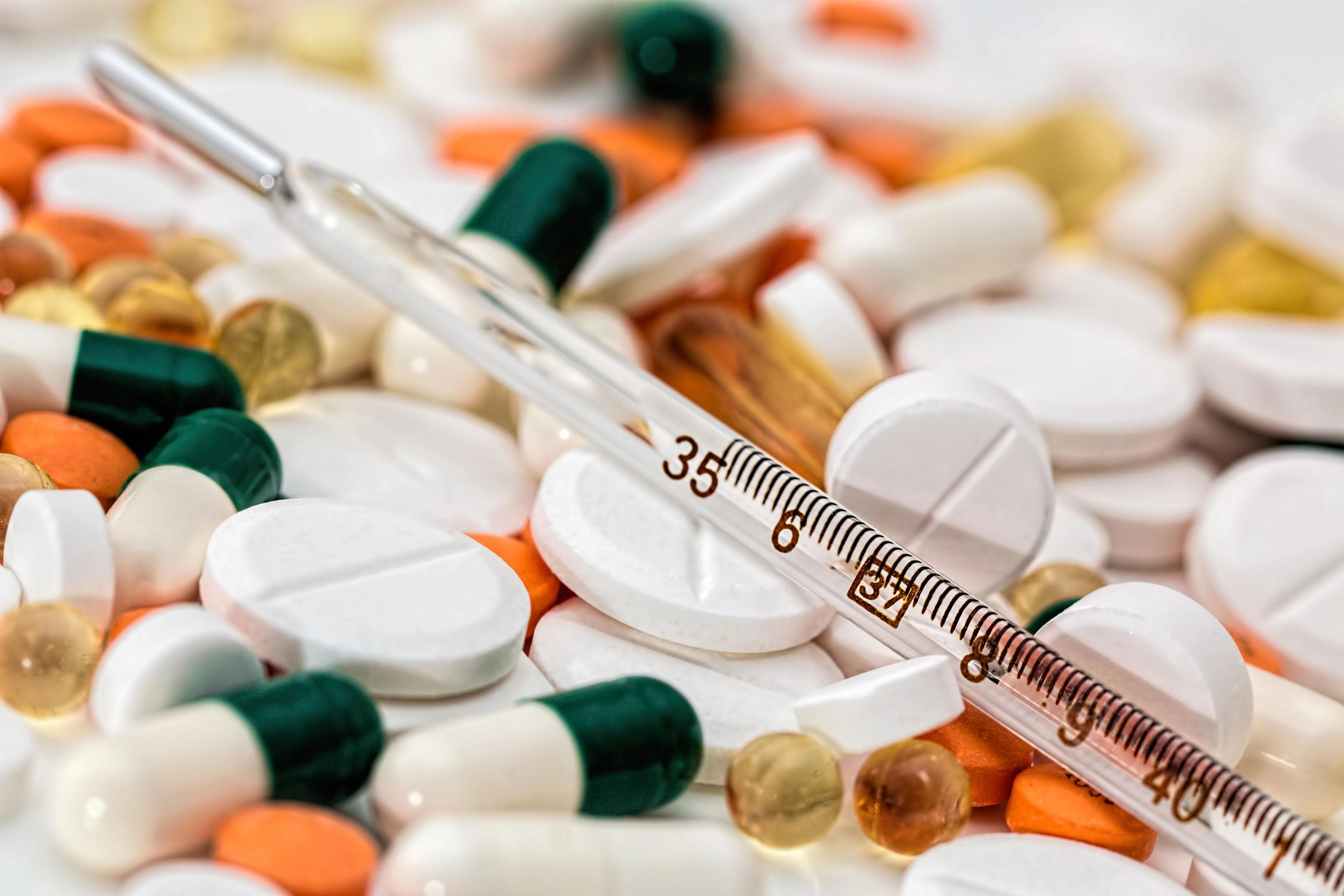
Scientific Research and Drug Development
The drug development process is a multi-stage, continuous journey of innovation spanning basic scientific research, target identification, biological and clinical trials, and regulatory approvals.
Read more
Drug Safety and Quality Control
Drug safety and quality control enforce rigorous standards from raw material selection to stability testing, guaranteeing safe and effective treatments for patients.
Read more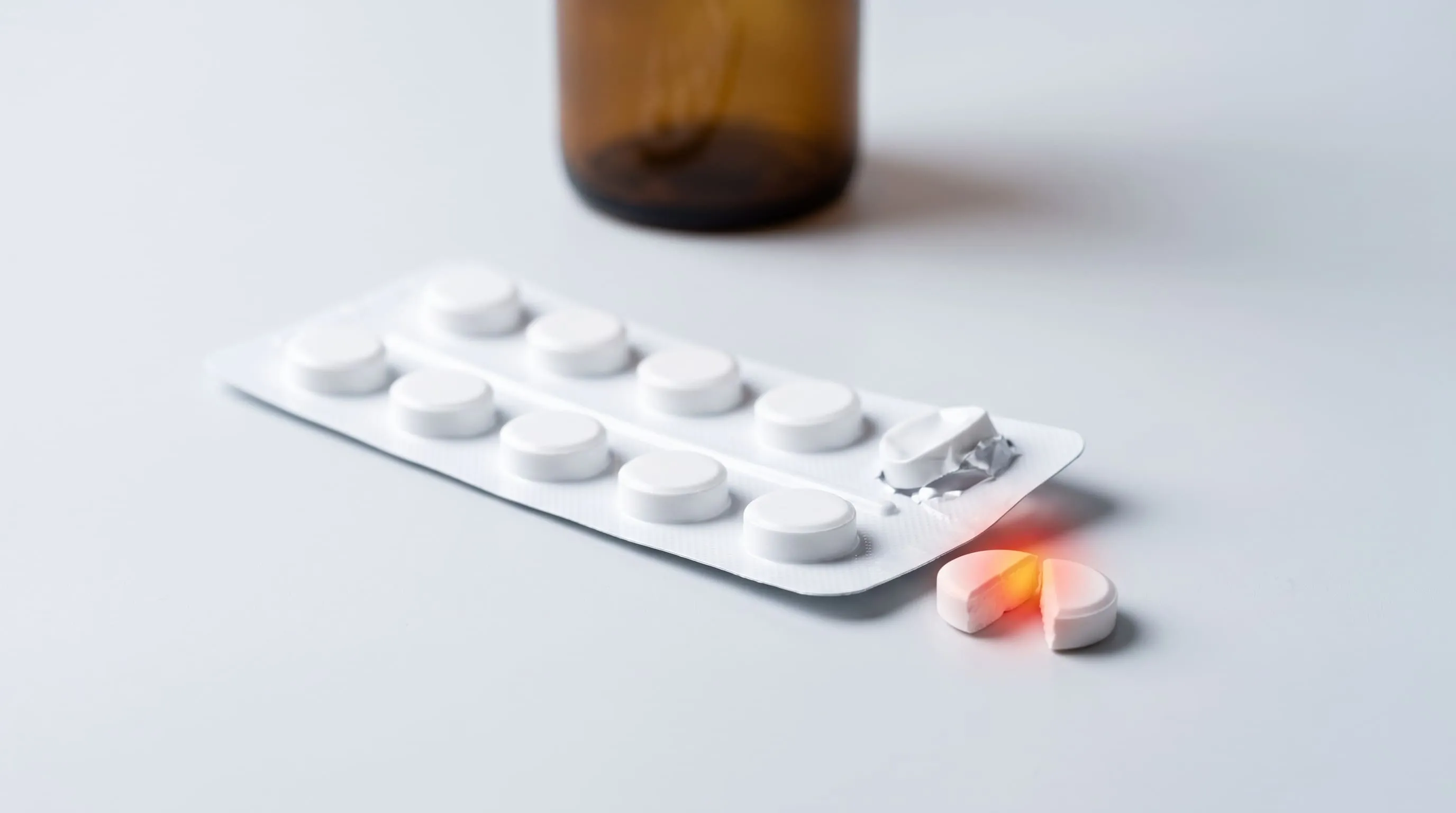
Drug Side Effects and Management
Side effects can occur during medical treatment. Reading package inserts, maintaining correct dosages, and keeping open communication with your doctor ensure safe management.
Read more
Over-the-Counter Medications and Proper Usage
Over-the-counter (OTC) drugs relieve mild symptoms effectively, but dosage instructions, interaction risks, and medical advice must be followed to avoid health complications.
Read more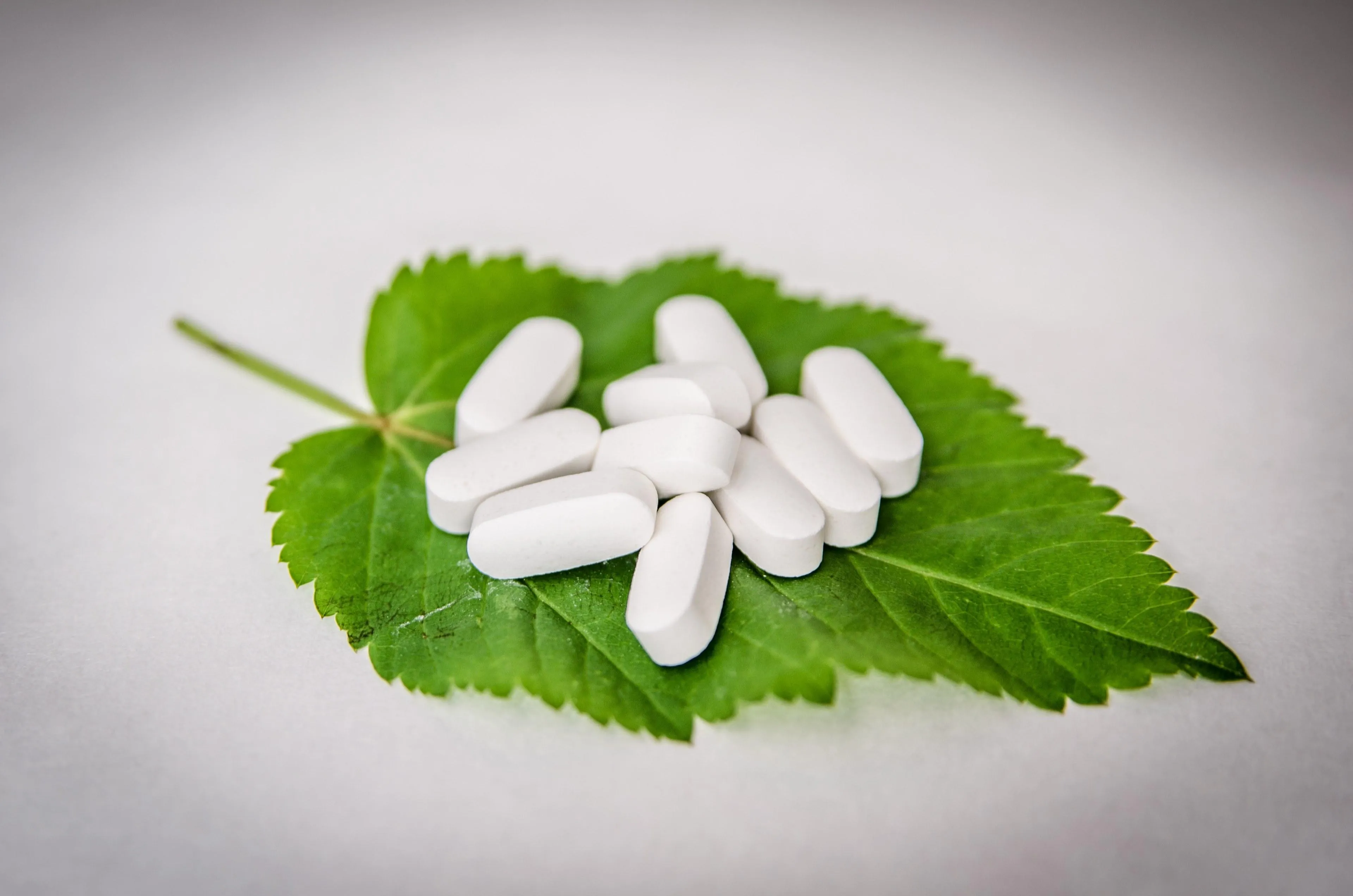
Eco-Friendly Drug Manufacturing
Eco-friendly drug manufacturing relies on green chemistry, energy efficiency, and effective waste management to minimize the pharmaceutical industry's environmental footprint.
Read more
Innovative Drug Research
Innovative drug research combines molecular biology, targeted therapies, AI, and big data to develop personalized, highly effective treatments for complex diseases.
Read more