





Eco-Friendly Drug Manufacturing
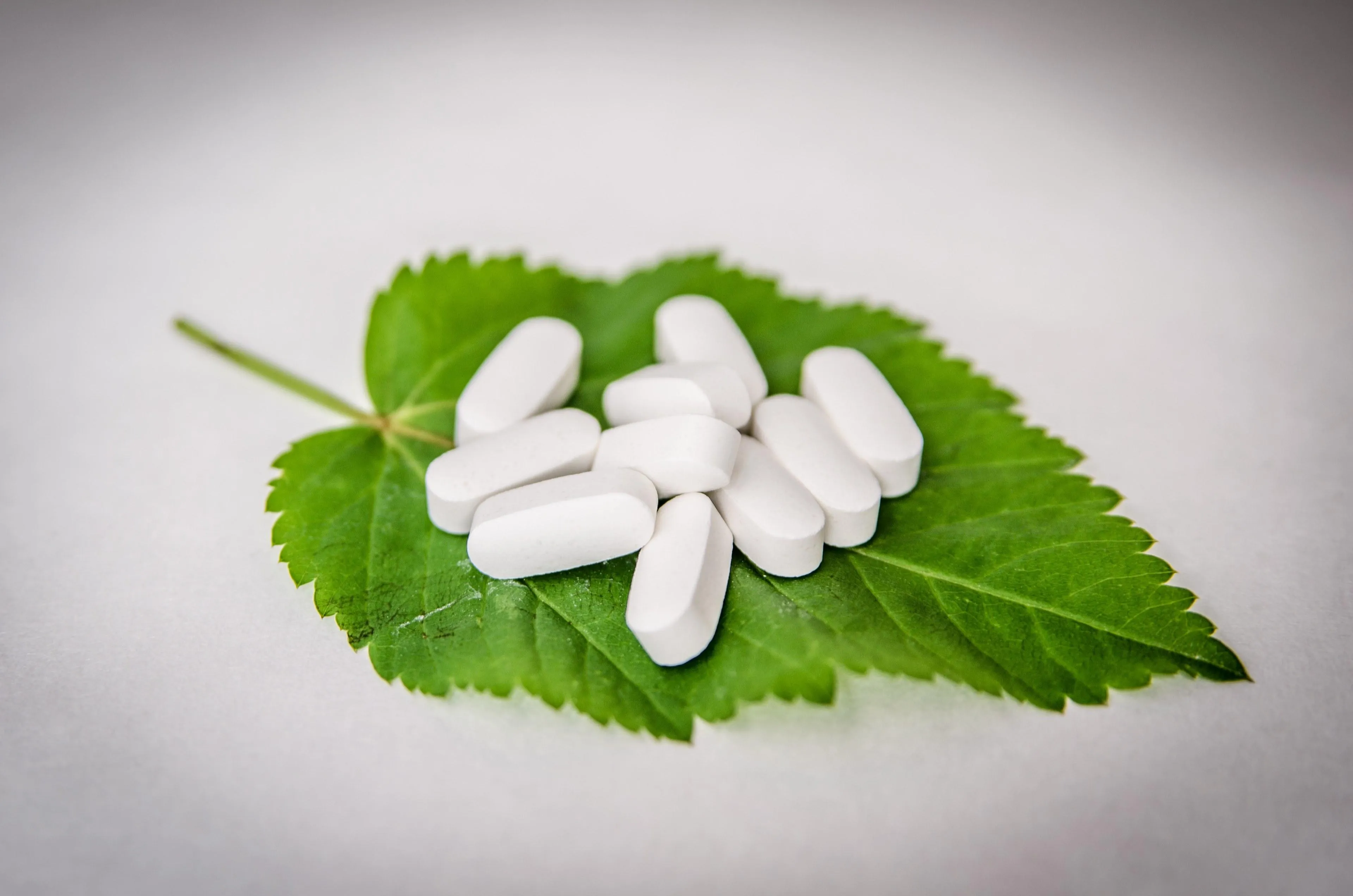
1. Green Chemistry and Innovative Techniques
Eco-friendly pharmaceutical production relies on green chemistry principles. These guidelines aim to minimize waste and hazardous chemicals, boost renewable energy use, and reduce overall environmental impact through advanced, low-emission technologies.
2. Waste Management and Recycling
Proper management of manufacturing waste is essential to prevent soil and water contamination. Recycling methodologies allow materials to be reused efficiently, significantly cutting down raw resource consumption.
3. Water and Energy Efficiency
Drug manufacturing is traditionally water- and energy-intensive. Sustainable production techniques optimize resource consumption, ensuring high efficiency that protects natural resources while lowering operational costs for businesses.
4. Environmental Impact of Products
Sustainability extends beyond the production line. Minimizing the environmental footprint of pharmaceuticals during and after patient use is critical—such as developing safer methods to neutralize drug residues before they enter aquatic systems.
5. Sustainable Supply Chain and Packaging
Eco-conscious manufacturing encompasses the entire lifecycle. Raw material selection, supplier partnerships, and packaging solutions are managed strictly through a sustainable, environmentally responsible framework.
Conclusion
Eco-friendly drug manufacturing benefits both public health and global ecosystems. By adopting green chemistry, waste management, and sustainable supply chains, the pharmaceutical industry actively reduces its footprint, protecting natural resources for future generations.
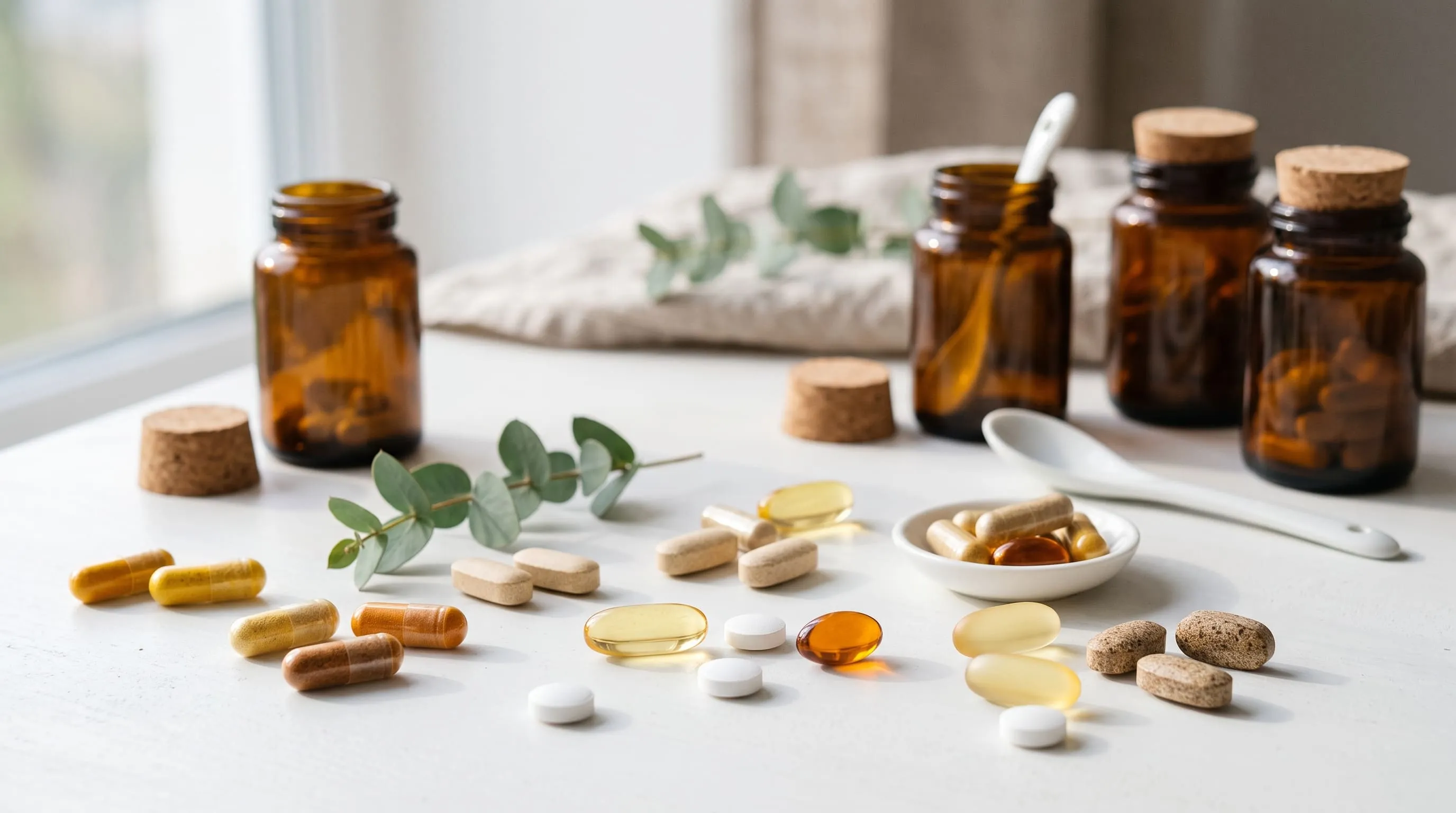
What Are Vitamin Supplements? How Should They Be Used?
Vitamin supplements are concentrated micronutrients formulated to maintain essential physiological functions when daily dietary intake is insufficient. For safe and effective usage, individuals must determine deficiencies through blood tests and adhere to proper timing, dosage, and absorption rules.
Read more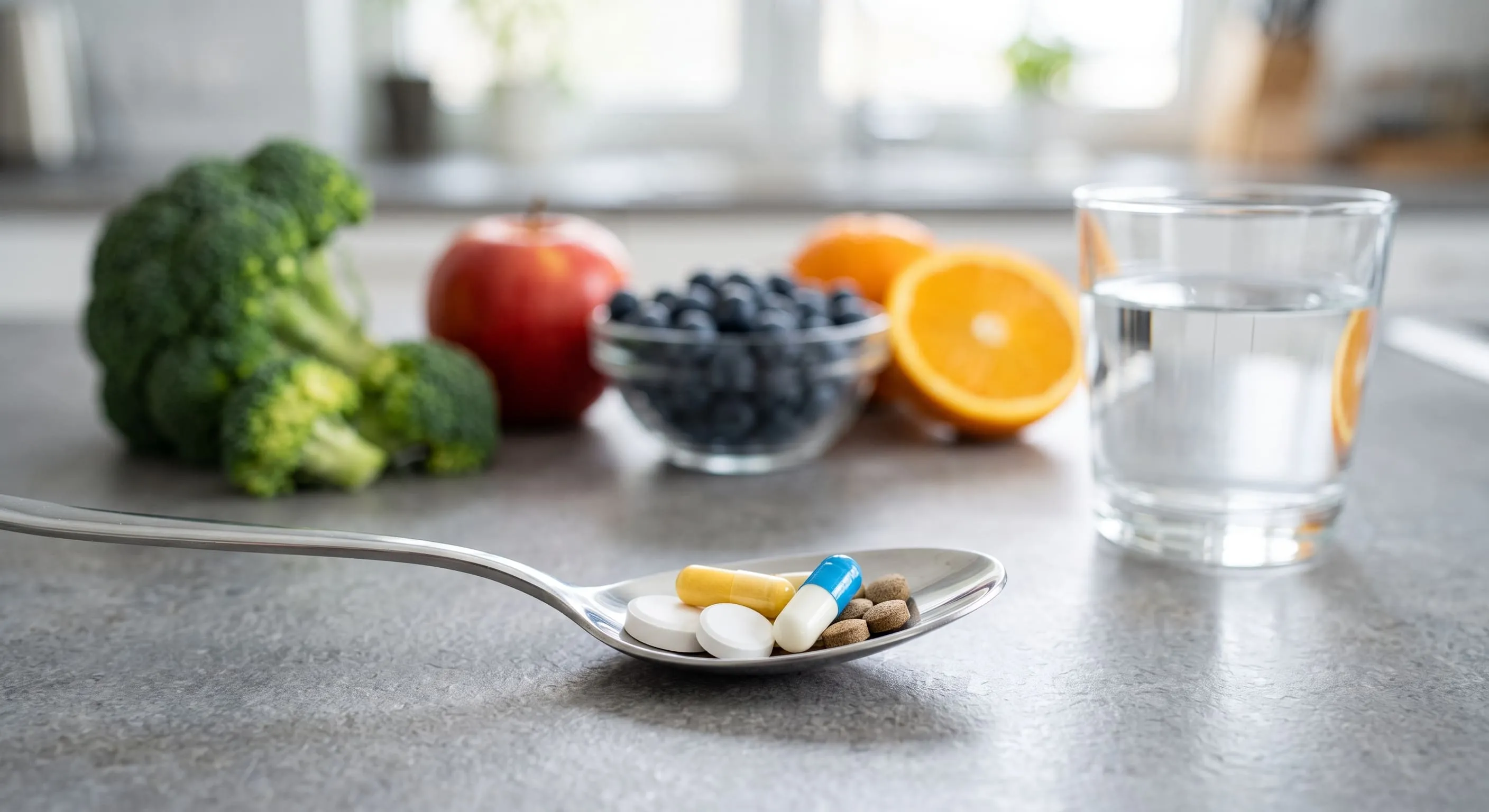
What is a Food Supplement?
Food supplements contain vitamins, minerals, amino acids, and herbal extracts; these non-medicinal products support bodily functions and help address nutritional deficiencies when used correctly.
Read more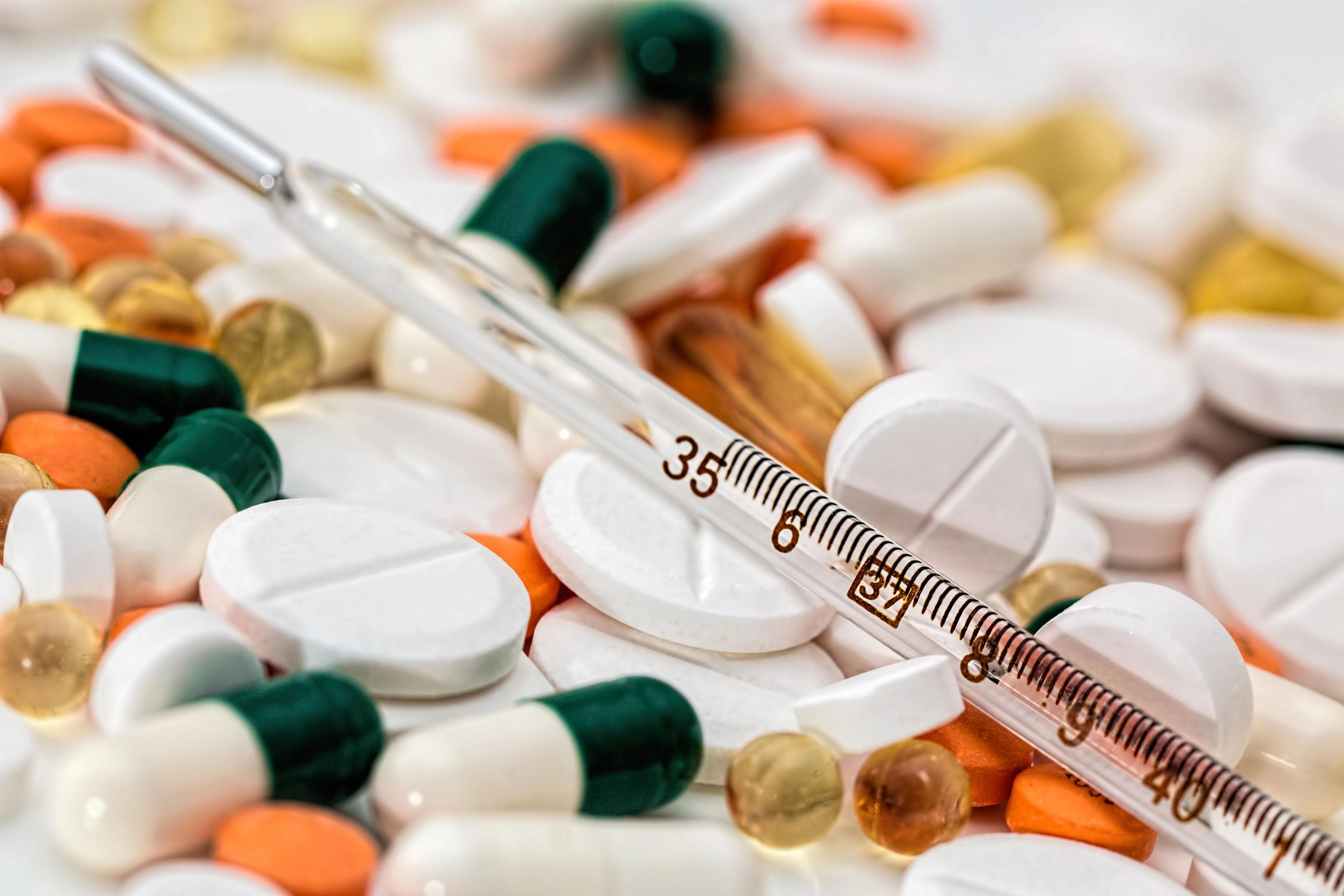
Scientific Research and Drug Development
The drug development process is a multi-stage, continuous journey of innovation spanning basic scientific research, target identification, biological and clinical trials, and regulatory approvals.
Read more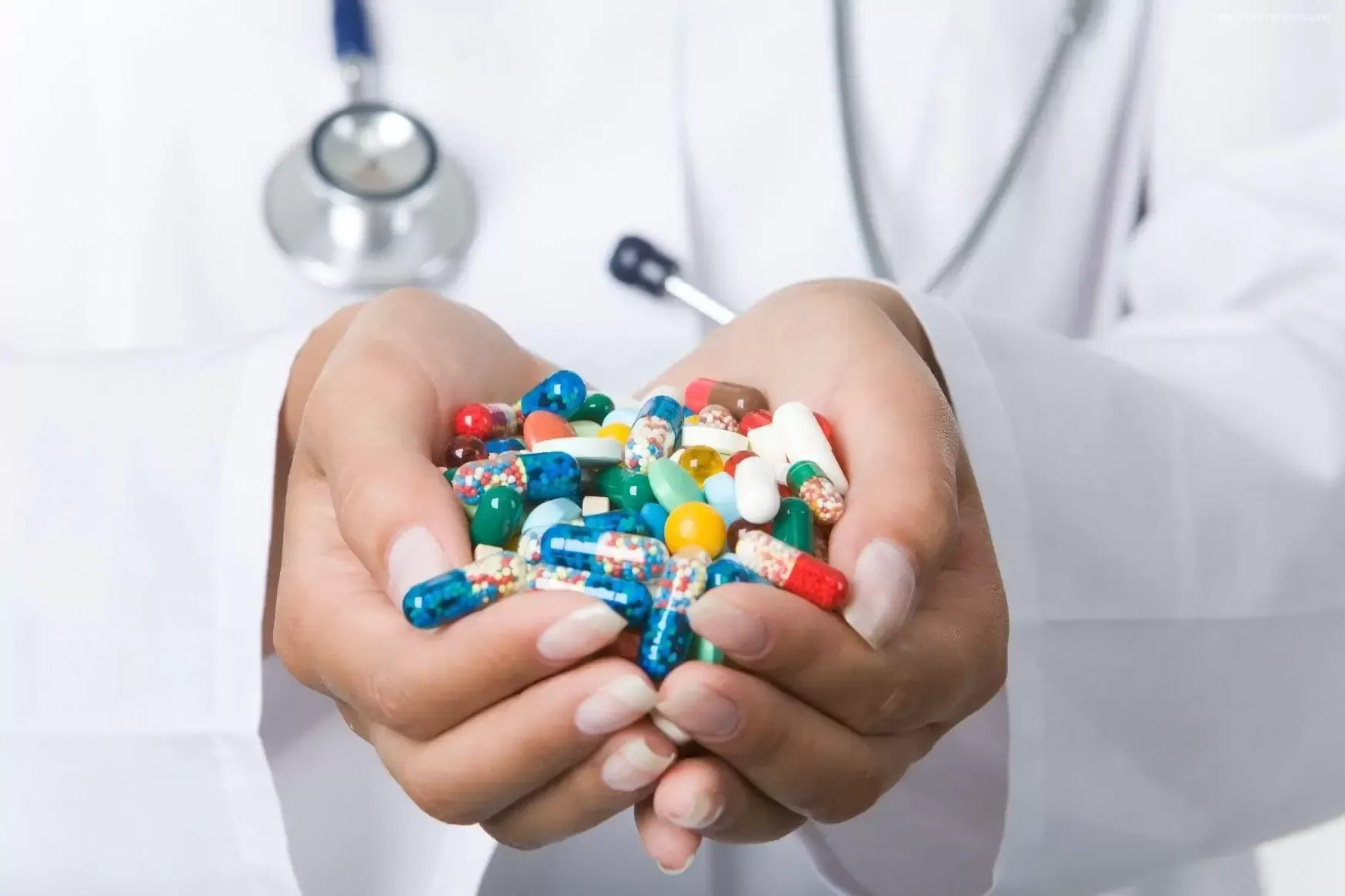
Drug Safety and Quality Control
Drug safety and quality control enforce rigorous standards from raw material selection to stability testing, guaranteeing safe and effective treatments for patients.
Read more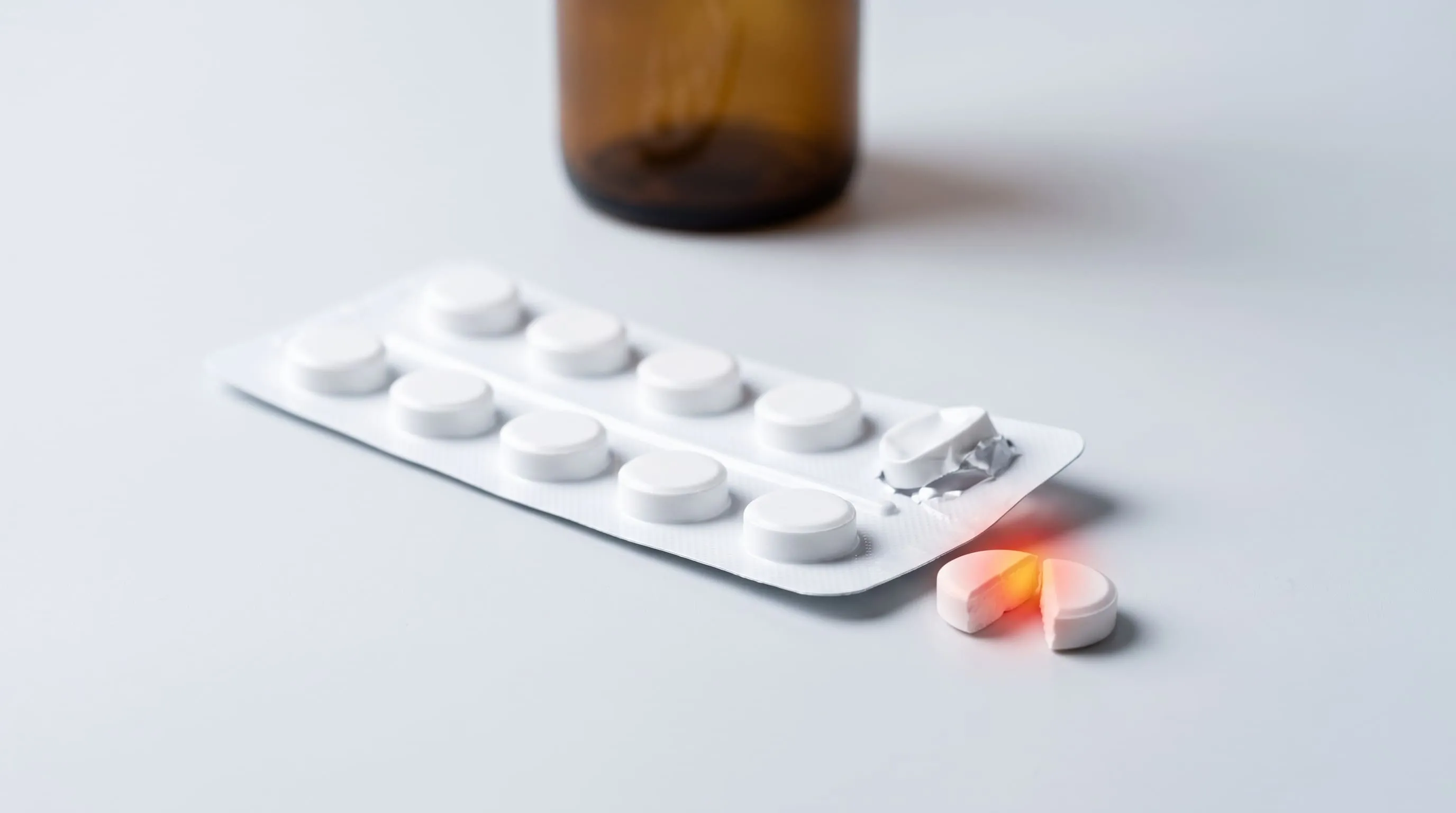
Drug Side Effects and Management
Side effects can occur during medical treatment. Reading package inserts, maintaining correct dosages, and keeping open communication with your doctor ensure safe management.
Read more
Over-the-Counter Medications and Proper Usage
Over-the-counter (OTC) drugs relieve mild symptoms effectively, but dosage instructions, interaction risks, and medical advice must be followed to avoid health complications.
Read more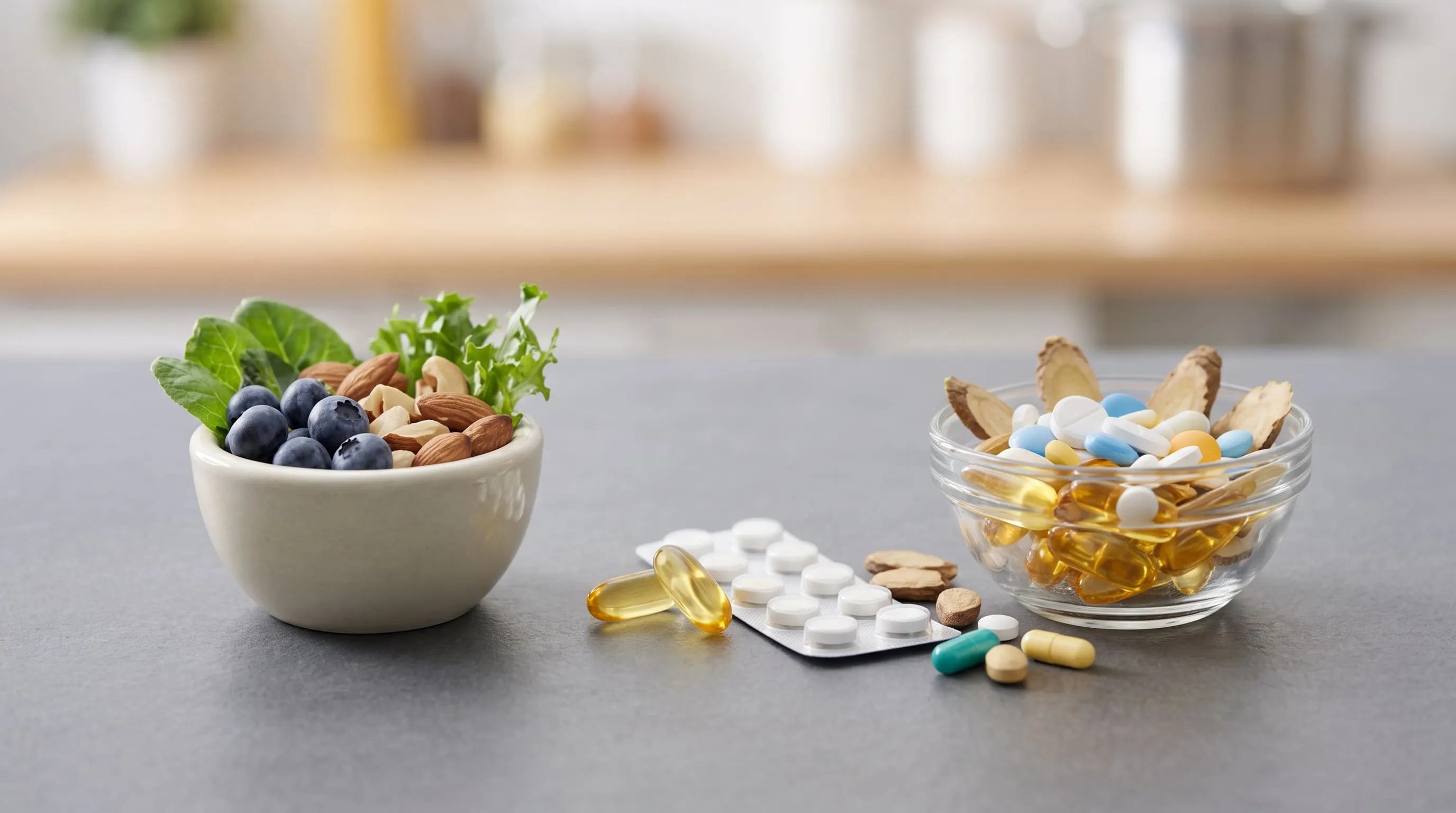
Dietary Supplements and Drug Interactions
While dietary supplements help bridge nutrient gaps, they can interact with medications. Always consult a physician to manage risks and support health through a balanced diet.
Read more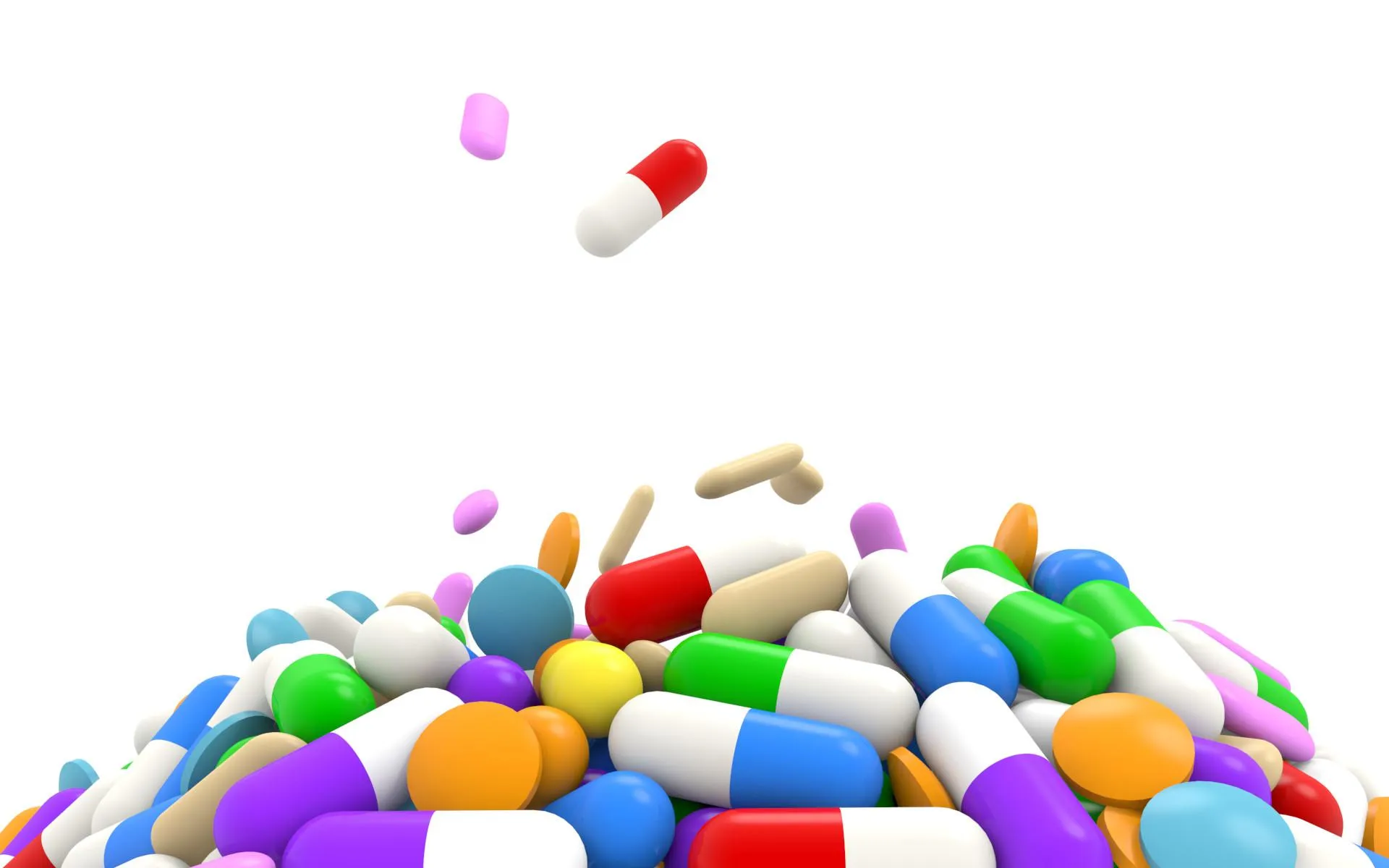
Innovative Drug Research
Innovative drug research combines molecular biology, targeted therapies, AI, and big data to develop personalized, highly effective treatments for complex diseases.
Read more