





What is a Food Supplement?

In today’s fast-paced world, factors such as busy work schedules, the prevalence of processed foods, and declining soil quality can make it difficult to obtain all necessary nutrients solely from our daily meals. Consequently, growing awareness around healthy living has significantly increased interest in dietary supplements. But what exactly is a food supplement, what purpose does it serve, and what should you keep in mind when choosing one?
Defining Food Supplements (Dietary Supplements)
Food supplements are concentrated sources of nutrients or other substances with a nutritional or physiological effect. They are produced to complement a normal diet and contain ingredients such as vitamins, minerals, proteins, amino acids, essential fatty acids, fiber, or botanical extracts.
Formulated in measured doses—such as capsules, tablets, powders, liquids, or drops—these products are definitely not medicines. Their primary objective is not to cure or prevent diseases, but to support natural bodily functions, bridge nutritional gaps, and help maintain overall well-being.
What Are the Types of Food Supplements?
A wide variety of supplements is available on the market, tailored to different health goals and physiological needs. The most common categories include:
1. Vitamin and Mineral Supplements
These essential micronutrients are vital for maintaining human life functions:
Vitamins C and D: Among the most widely used, recognized for their roles in supporting immune function and bone health.
B-Complex Vitamins: Essential for energy metabolism and nervous system health.
Magnesium, Zinc, and Iron: Perform crucial cellular functions ranging from muscle operation to hemoglobin synthesis.
2. Omega-3 and Essential Fatty Acids
Primarily sourced from fish oil or algae, EPA and DHA are fatty acids with scientifically proven benefits for cardiovascular health, cognitive function, and vision support.
3. Herbal and Botanical Extracts
This category merges traditional botanical knowledge with modern extraction technologies:
Ginseng and Maca Root: Frequently used to boost energy levels and vitality.
Turmeric (Curcumin) and Green Tea Extract: Provide strong antioxidant properties that contribute to cellular protection.
4. Protein and Amino Acid Supplements
Formulated for athletes, active individuals, or those aiming to preserve muscle mass, these products include BCAAs, glutamine, whey protein, and collagen. Collagen, in particular, has become highly popular for supporting skin elasticity and joint integrity.
Benefits of Food Supplements
While a balanced and varied diet remains the primary foundation for health, dietary supplements offer notable advantages under specific circumstances:
Bridging Nutritional Gaps: Fills deficiencies in B12, iron, or other nutrients resulting from hectic lifestyles, inadequate diets, or strict vegan/vegetarian choices.
Supporting Immune Function: Helps reinforce the body's natural defenses during seasonal transitions.
Enhancing Quality of Life: Contributes to reducing fatigue, improving focus, and promoting better sleep quality.
Providing Target Support in Special Phases: Meets heightened physiological demands during pregnancy (such as increased folic acid needs), aging, or intense athletic training.
Essential Precautions When Using Food Supplements
To ensure safety and maximize efficacy, informed and responsible usage is critical. Taking supplements indiscriminately or in excessive doses can lead to adverse effects.
Prioritize Blood Tests and Expert Consultation: Before starting any supplement regimen, consult a doctor or registered dietitian and obtain proper blood work.
Watch for Drug Interactions: If you take prescription medications (especially blood thinners, blood pressure, or diabetes drugs), verify that the supplement will not interfere with your treatment.
Select Trusted, Certified Brands: Ensure products comply with national regulatory standards and are produced under verified Quality Management Systems (GMP, ISO).
Adhere to Recommended Dosages: Never exceed the daily recommended dosage indicated on the product label or prescribed by your healthcare provider.
Conclusion
Food supplements are not miraculous cures, but rather effective tools designed to complement a healthy lifestyle, balanced nutrition, and regular exercise. By accurately evaluating your body's specific needs and acting under medical supervision, you can maximize the benefits of dietary supplements and safely enhance your quality of life.
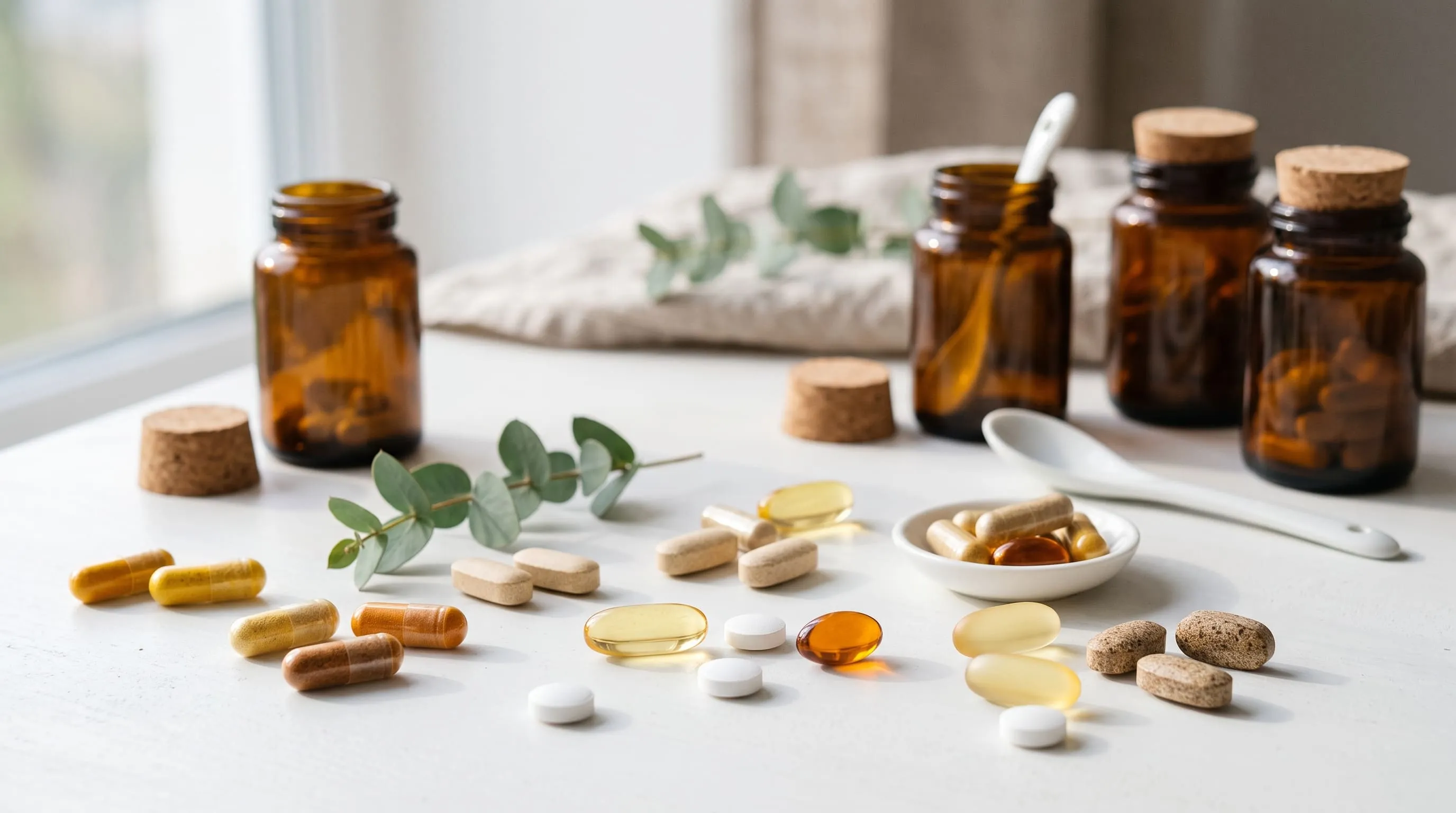
What Are Vitamin Supplements? How Should They Be Used?
Vitamin supplements are concentrated micronutrients formulated to maintain essential physiological functions when daily dietary intake is insufficient. For safe and effective usage, individuals must determine deficiencies through blood tests and adhere to proper timing, dosage, and absorption rules.
Read more
Scientific Research and Drug Development
The drug development process is a multi-stage, continuous journey of innovation spanning basic scientific research, target identification, biological and clinical trials, and regulatory approvals.
Read more
Drug Safety and Quality Control
Drug safety and quality control enforce rigorous standards from raw material selection to stability testing, guaranteeing safe and effective treatments for patients.
Read more
Drug Side Effects and Management
Side effects can occur during medical treatment. Reading package inserts, maintaining correct dosages, and keeping open communication with your doctor ensure safe management.
Read more
Over-the-Counter Medications and Proper Usage
Over-the-counter (OTC) drugs relieve mild symptoms effectively, but dosage instructions, interaction risks, and medical advice must be followed to avoid health complications.
Read more
Dietary Supplements and Drug Interactions
While dietary supplements help bridge nutrient gaps, they can interact with medications. Always consult a physician to manage risks and support health through a balanced diet.
Read more
Eco-Friendly Drug Manufacturing
Eco-friendly drug manufacturing relies on green chemistry, energy efficiency, and effective waste management to minimize the pharmaceutical industry's environmental footprint.
Read more
Innovative Drug Research
Innovative drug research combines molecular biology, targeted therapies, AI, and big data to develop personalized, highly effective treatments for complex diseases.
Read more