





Drug Safety and Quality Control

1. The Importance of Quality Control
Pharmaceutical manufacturing demands extreme precision from raw material procurement to final packaging. Quality control protocols ensure that every batch meets uniform standards for potency, purity, and safety.
2. Regulatory Audits and Compliance
The pharmaceutical sector operates under strict international and national oversight:
GMP (Good Manufacturing Practices): Manufacturers must strictly adhere to globally recognized GMP guidelines.
Regulatory Inspections: Authorized agencies conduct periodic facility audits to verify compliance with safety and quality standards.
3. Stability Testing and Shelf-Life Evaluation
An essential part of quality assurance is determining how environmental factors affect drug integrity over time. Stability studies test products under varying temperature, humidity, and light conditions to establish accurate expiration dates and storage guidelines.
4. Patient Safety and Risk Management
Drug safety extends post-commercialization through continuous risk assessment. Potential adverse events are monitored, documented, and updated in patient leaflets to safeguard public health.
Conclusion
Quality control and safety regulations form the backbone of modern healthcare. Multi-tiered inspections ensure that patients receive safe, high-quality, and reliable therapies.
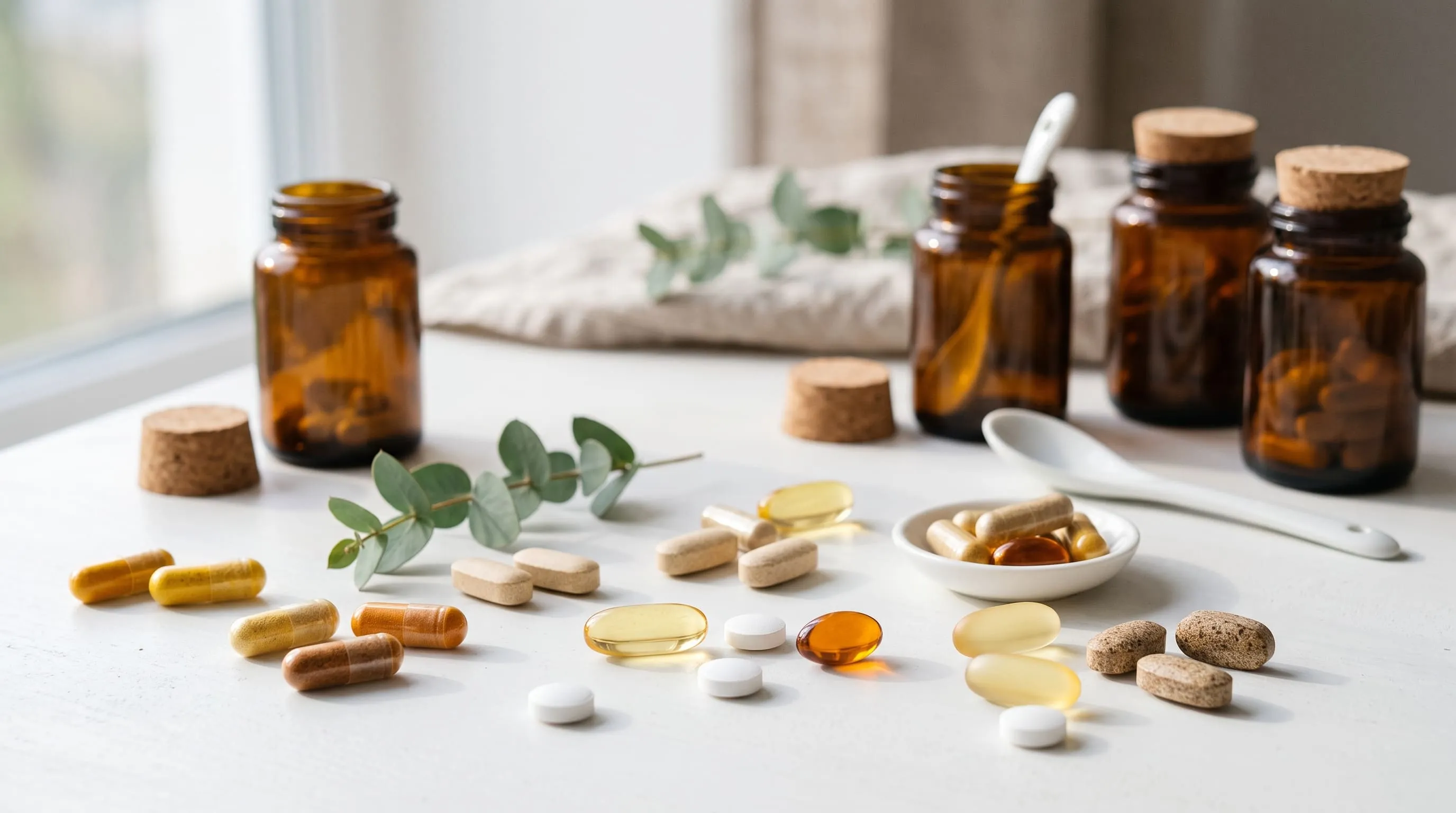
What Are Vitamin Supplements? How Should They Be Used?
Vitamin supplements are concentrated micronutrients formulated to maintain essential physiological functions when daily dietary intake is insufficient. For safe and effective usage, individuals must determine deficiencies through blood tests and adhere to proper timing, dosage, and absorption rules.
Read more
What is a Food Supplement?
Food supplements contain vitamins, minerals, amino acids, and herbal extracts; these non-medicinal products support bodily functions and help address nutritional deficiencies when used correctly.
Read more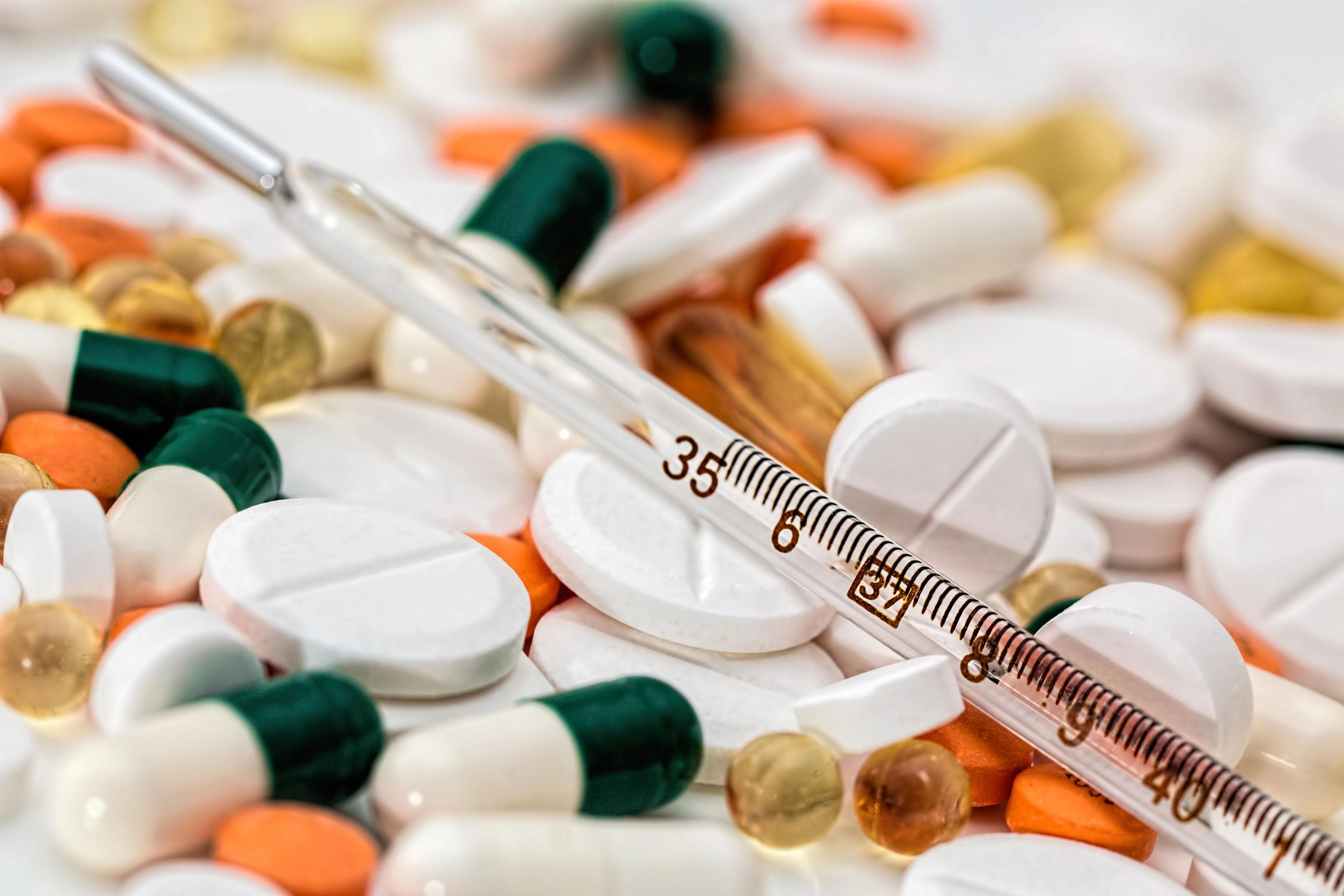
Scientific Research and Drug Development
The drug development process is a multi-stage, continuous journey of innovation spanning basic scientific research, target identification, biological and clinical trials, and regulatory approvals.
Read more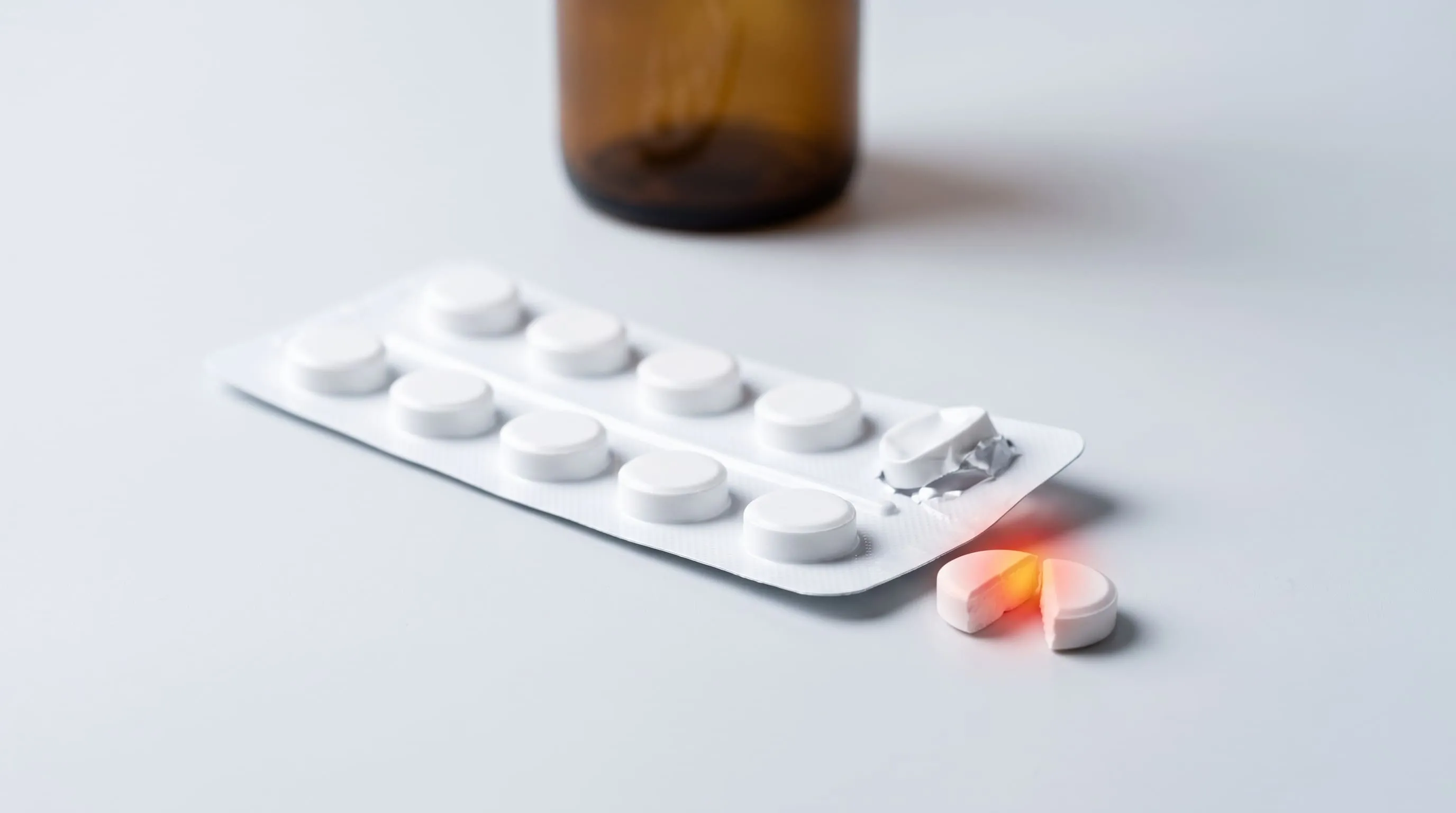
Drug Side Effects and Management
Side effects can occur during medical treatment. Reading package inserts, maintaining correct dosages, and keeping open communication with your doctor ensure safe management.
Read more
Over-the-Counter Medications and Proper Usage
Over-the-counter (OTC) drugs relieve mild symptoms effectively, but dosage instructions, interaction risks, and medical advice must be followed to avoid health complications.
Read more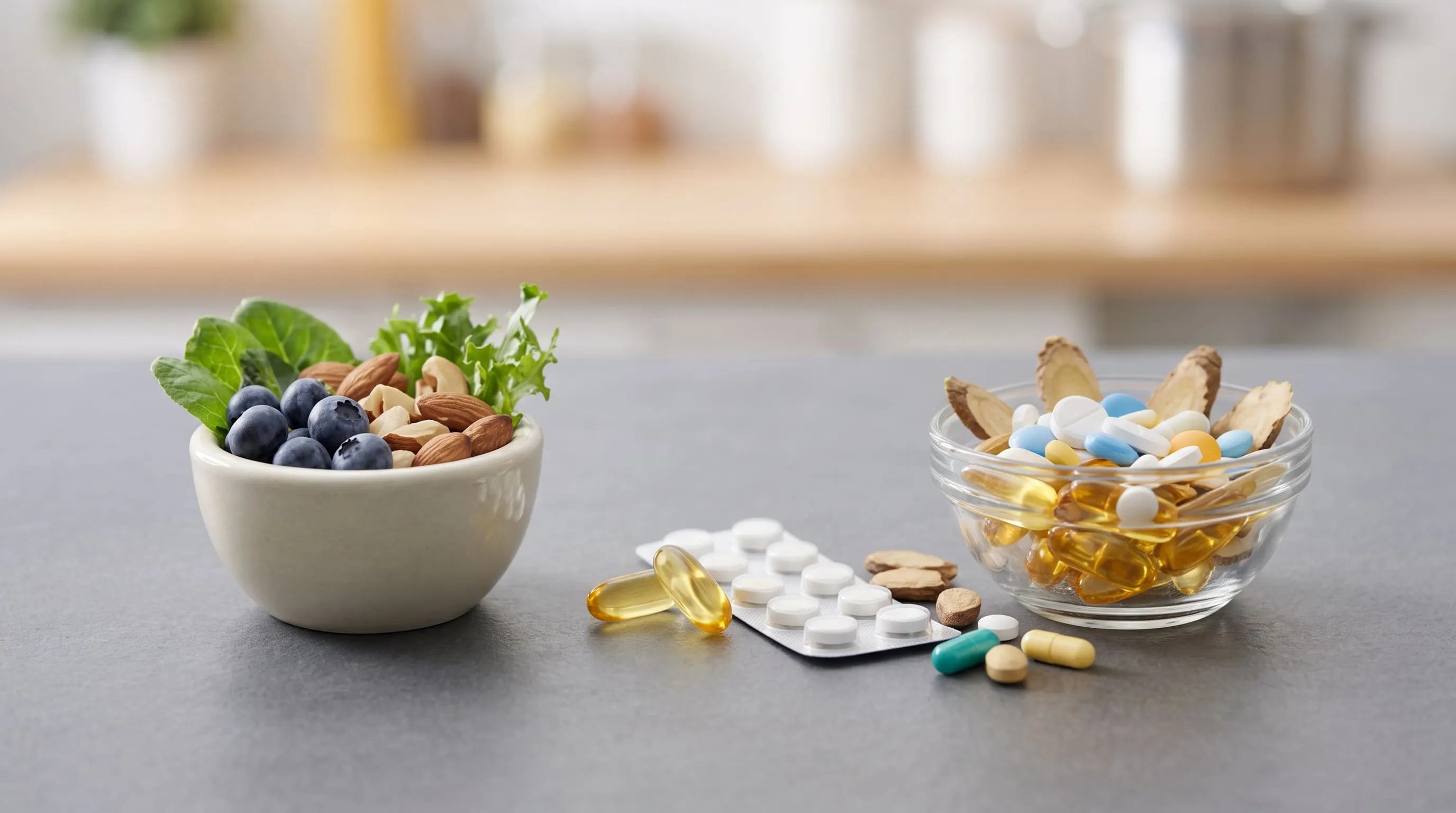
Dietary Supplements and Drug Interactions
While dietary supplements help bridge nutrient gaps, they can interact with medications. Always consult a physician to manage risks and support health through a balanced diet.
Read more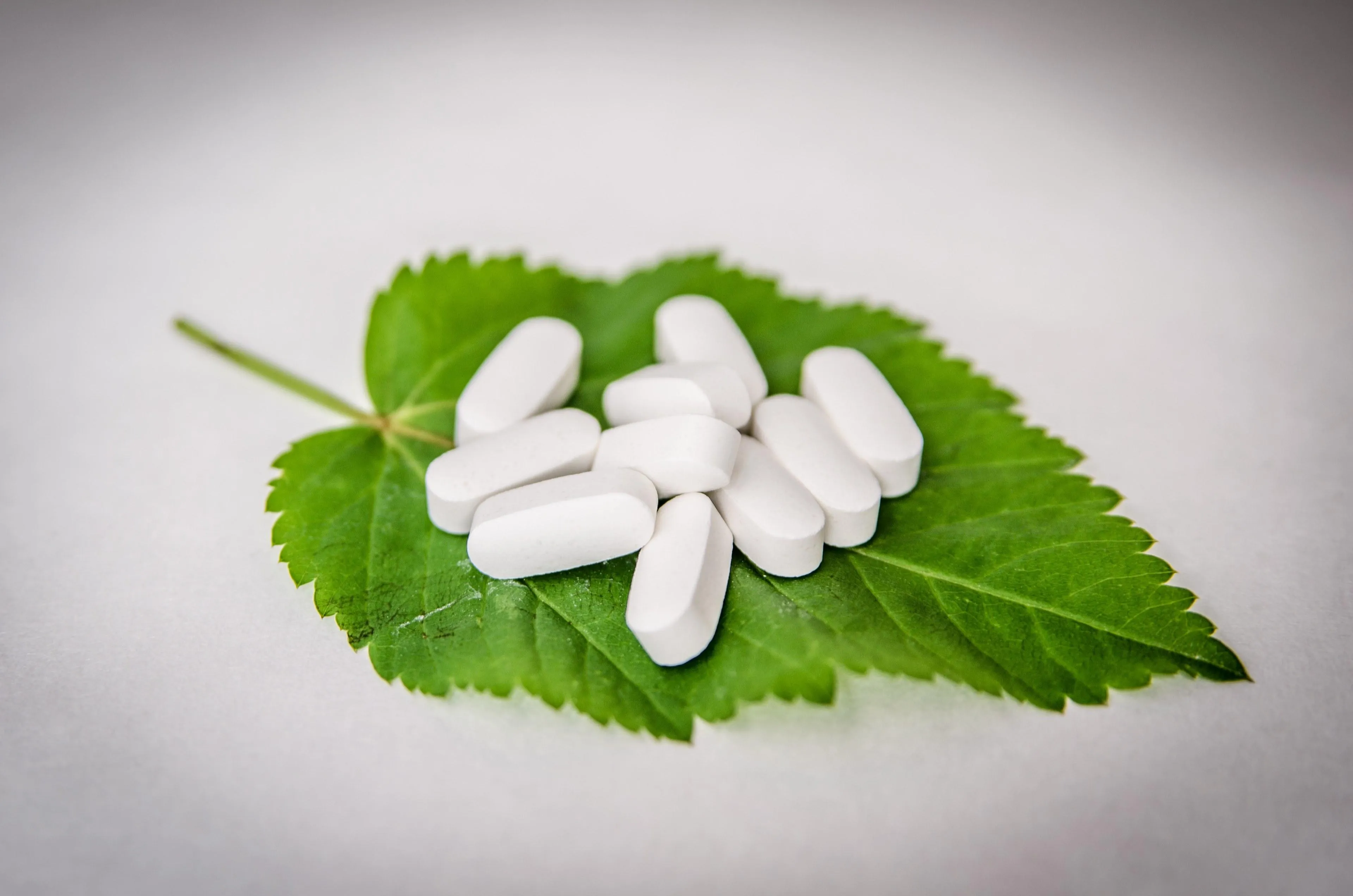
Eco-Friendly Drug Manufacturing
Eco-friendly drug manufacturing relies on green chemistry, energy efficiency, and effective waste management to minimize the pharmaceutical industry's environmental footprint.
Read more
Innovative Drug Research
Innovative drug research combines molecular biology, targeted therapies, AI, and big data to develop personalized, highly effective treatments for complex diseases.
Read more